
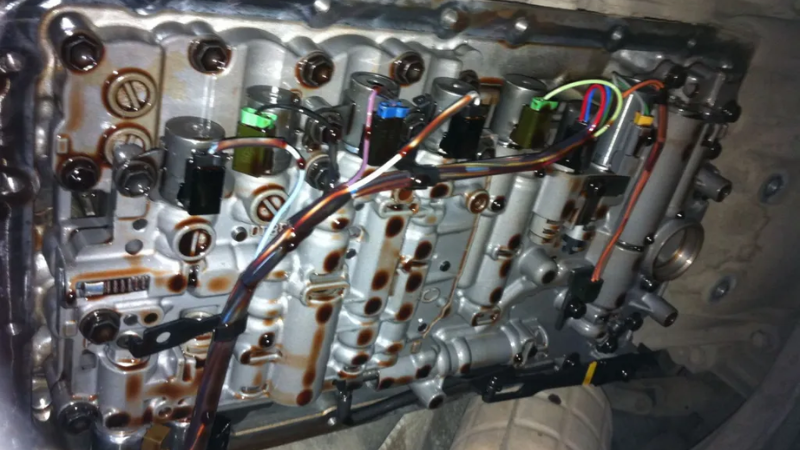
The P0749 fault code in Ford vehicles indicates a problem with the Pressure Control Solenoid A performance. This means the solenoid is not working consistently sometimes functioning properly and sometimes failing leading to unstable hydraulic pressure inside the transmission.
The Transmission Control Module (TCM) detects this irregular behavior when the solenoid is activated, which can directly impact gear shifting and overall transmission performance.
What Does P0749 Code Mean in Ford?
The P0749 code specifically refers to an intermittent issue with Pressure Control Solenoid A. Instead of maintaining steady pressure, the solenoid fluctuates, causing improper gear engagement and shifting delays.
If left unresolved, this issue can lead to serious transmission damage and expensive repairs.
Common Causes of Pressure Control Solenoid A Issues
Several factors can trigger this fault code. The most common causes include:
- Intermittent electrical connection (loose or damaged wiring)
- Failing Pressure Control Solenoid A
- Dirty or contaminated transmission fluid
- Low or incorrect transmission fluid level
- Sticking valve body components
- Faulty transmission pump (less common)
- TCM or ECM malfunction (rare)
Symptoms You Should Not Ignore
When this issue occurs, your vehicle may show noticeable transmission problems such as:
- Harsh or jerky gear shifts
- Delayed or slipping transmission
- Vehicle entering limp mode (safe mode)
- Transmission overheating during heavy load
- Check Engine Light (CEL) turning ON intermittently
Ignoring these symptoms can lead to costly repairs, so early detection is important.
Diagnosis & Fix: Step-by-Step Guide
To properly fix this issue, follow a structured diagnosis process:
1. Check Transmission Fluid (ATF)
- Inspect fluid level, color, and smell
- Replace fluid if it appears burnt or contaminated
2. Inspect Wiring & Connectors
- Focus on the transmission harness
- Look for loose, damaged, or corroded connections
3. Perform a Wiggle Test
- Move wiring while monitoring live data
- Helps detect intermittent electrical faults
4. Test the Solenoid
- Check resistance using a multimeter
- Activate the solenoid to ensure it clicks properly
5. Inspect the Valve Body
- Look for debris or sticking valves
- Clean or repair if required
6. Replace Pressure Control Solenoid A
- Replace if confirmed faulty during testing
7. Check or Update TCM
- Reprogram or repair if the issue persists despite proper electrical function
Final Thoughts
A Pressure Control Solenoid A performance issue may start as a minor intermittent fault but can quickly escalate into serious transmission damage.
Regular maintenance, especially clean transmission fluid and proper diagnostics, can prevent this issue from worsening and save you from expensive repairs.
Recent Posts
-

7 Signs Your Automatic Gearbox Needs Immediate Repair
April 10, 2026 -

Manual vs Automatic Transmission: Which One Is Better for You?
March 18, 2026 -

Mercedes Automatic Service Center: What Services Are Included?
March 16, 2026 -

How to Choose the Best Gearbox Repair Specialist
March 16, 2026 -

Why You Should Choose an Automatic Transmission Specialist
March 13, 2026
Copyright © All Rights Reserved by SEHMBI