
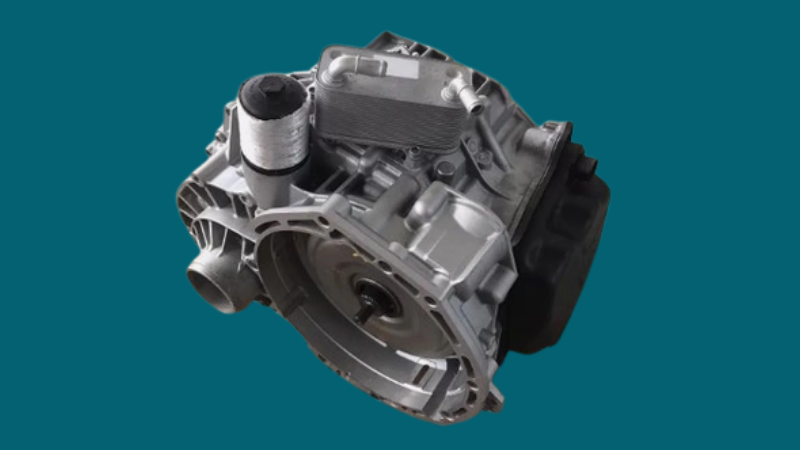
The P1850 OBD-II diagnostic trouble code (DTC) pertains to issues within the Brake Band Apply Solenoid Circuit in automatic transmissions. This solenoid is crucial for controlling the application of specific brake bands that facilitate gear changes. When the Powertrain Control Module (PCM) detects an abnormality in the voltage, current, or resistance of this circuit, it triggers the P1850 code.
Understanding the P1850 Code
– Definition: “Brake Band Apply Solenoid Circuit Malfunction.”
– Symptoms: Illumination of the Check Engine Light (MIL); potential transmission issues such as slipping, harsh shifting, or delayed engagement.
– Common Causes:
1. Faulty brake band apply solenoid.
2. Damaged or corroded wiring in the solenoid circuit.
3. Poor electrical connections in the solenoid circuit.
4. Low transmission fluid levels.
5. Faulty Transmission Control Module (TCM).
Diagnostic and Repair Steps
1. Visual Inspection: Check the wiring harness and connectors associated with the brake band apply solenoid for any signs of damage, corrosion, or loose connections.
2. Solenoid Testing: Use a multimeter to measure the resistance of the solenoid. Compare the reading to the manufacturer’s specifications. Verify that the solenoid is receiving the correct voltage when commanded on by the PCM.
3. Transmission Fluid Check: Ensure that the transmission fluid is at the correct level and is clean and free of debris.
4. TCM Diagnostics: If all other components test good, suspect a TCM issue. This should be a last resort after exhausting other possibilities.
Estimated Repair Costs
1. Solenoid Replacement: ₹8,000–₹15,000
2. Wiring Repair: ₹5,000–₹10,000
3. Transmission Fluid Change: ₹3,000–₹5,000
4. TCM Replacement: ₹20,000–₹40,000
Note: Prices are approximate and can vary based on vehicle make and local labor rates.
Make-Specific Notes
1. Volkswagen: The P1850 code may indicate a missing message from the Engine Control Module (ECM) via the CAN bus.
2. Chevrolet: The P1850 code refers to a problem with the brake band apply solenoid circuit.
Recent Posts
-
7 Signs Your Automatic Gearbox Needs Immediate Repair
April 10, 2026 -

Manual vs Automatic Transmission: Which One Is Better for You?
March 18, 2026 -
Mercedes Automatic Service Center: What Services Are Included?
March 16, 2026 -

How to Choose the Best Gearbox Repair Specialist
March 16, 2026 -

Why You Should Choose an Automatic Transmission Specialist
March 13, 2026
Copyright © All Rights Reserved by SEHMBI